

Look, I'm not gonna sugarcoat this for you – something major is happening in mainstream medicine right now. We're witnessing the biggest shift in how hospitals approach healing since, well, probably ever. And if you're a Reiki practitioner sitting on the sidelines wondering if your work actually matters, it's time to wake up.
Over 1,000 hospital programs across the United States are now offering Reiki as part of their patient care plans. That's not some underground movement anymore – that's a full-blown medical revolution happening right under our noses.
The Numbers Don't Lie – Reiki Is Going Mainstream Fast
Here's what's really happening behind those hospital doors: 60% of "America's Best Hospitals" now have formal or informal Reiki programs. And get this – 67% of these institutions are rating Reiki as "highly beneficial" for their patients. That's not some feel-good statistic they're throwing around to make the hippies happy. That's hard data from institutions that measure everything in terms of outcomes and bottom lines.
Back in 2007, only about 15% of U.S. hospitals offered Reiki services. Today? We're looking at Reiki ranking as the third most popular complementary therapy in American hospitals at 25%, right behind massage therapy at 37% and music/art therapy at 25%.
What changed? Patients started demanding it, and hospitals realized they couldn't ignore the results anymore.

How Hospitals Are Actually Making This Work
Staff Training That Actually Makes Sense
Here's where it gets interesting – hospitals aren't just bringing in random Reiki practitioners from the outside. They're training their own registered nurses and having them get certified in Reiki. Smart move, right? These nurses already understand medical protocols, patient safety, and how to work within hospital systems.
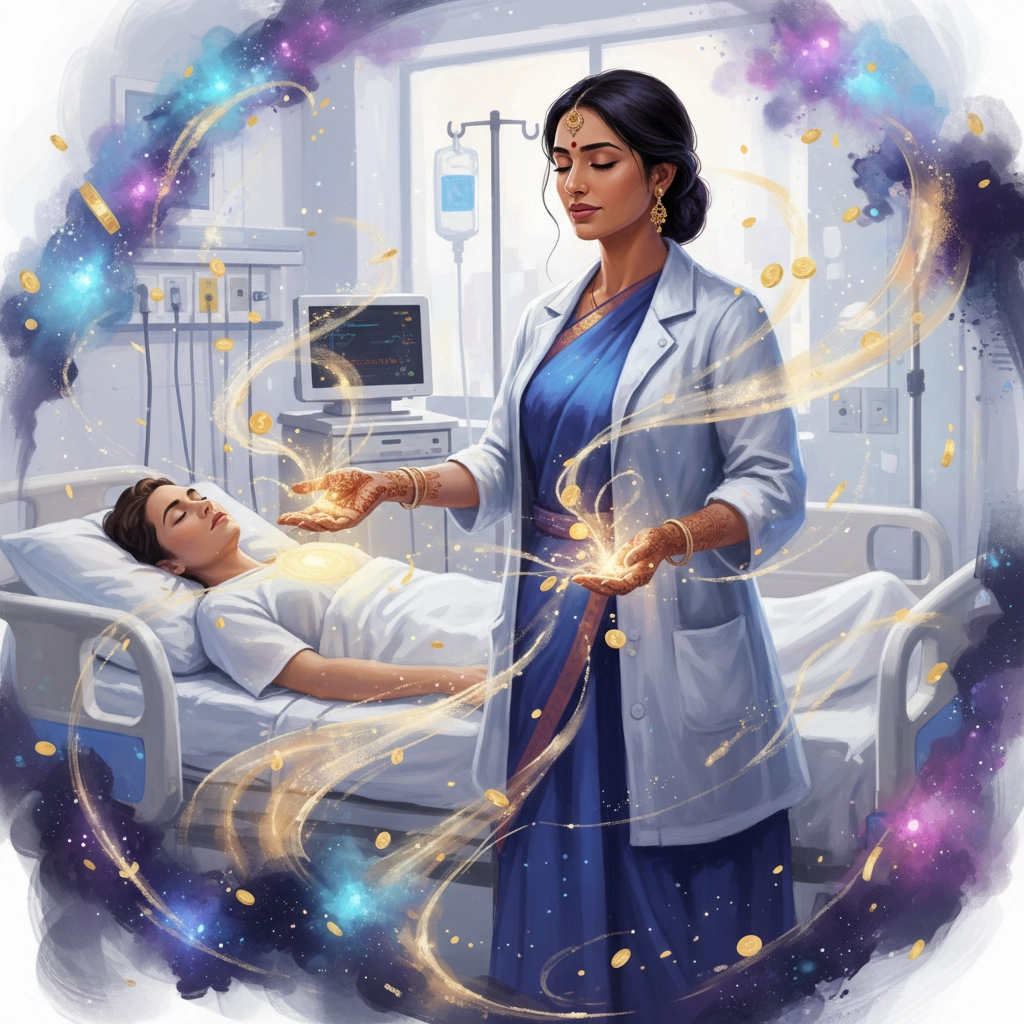
Some facilities are even incorporating Reiki directly into their admission procedures. Picture this: you're getting wheeled to surgery, and instead of just lying there anxious as hell, you're receiving Reiki treatment during transport. That's not alternative medicine anymore – that's integrated care.
Dedicated Wellness Centers Within Hospitals
Many hospitals have set up dedicated wellness centers where Reiki sits alongside other complementary therapies. And here's the kicker – a lot of these programs offer Reiki at no cost to patients. Why? Because they've figured out that a relaxed, less anxious patient who needs fewer pain medications and heals faster is good for everyone involved.
The Research That's Changing Everything
The Cleveland Clinic – you know, one of the most respected medical institutions in the world – recently published a study in the Journal of Pain and Symptom Management. They tracked 392 Reiki sessions with 268 cancer patients undergoing chemotherapy.
The results? Significant improvements in:
- Pain levels
- Fatigue
- Anxiety
- Nausea
- Overall well-being
Patients reported high satisfaction levels and enhanced relaxation. This isn't anecdotal "I felt better" stuff – this is measurable, documented evidence that's getting published in peer-reviewed medical journals.

The Big Names Leading the Charge
When prestigious institutions start adopting something, you know it's not just a trend. We're talking about:
- Duke University Hospital
- Columbia University Hospital
- Dana Farber Cancer Institute
- Yale New Haven Children's Hospital
- Memorial Sloan Kettering Cancer Center
- Mayo Clinic
- Cleveland Clinic
- New York-Presbyterian
- Mount Sinai
These aren't alternative healing centers. These are the places where medical students learn, where the most complex cases get referred, where medical breakthroughs happen. And they're all saying "Yes, Reiki belongs here."
What This Means If You're a Reiki Practitioner
First off, your work matters. Stop questioning whether energy healing is "real" or "valid." The most respected medical institutions in the country have already answered that question for you.
Second, the standards are rising. If you want to work in these environments, you need to be professional, well-trained, and able to work within medical systems. That weekend certification from 2019? It might be time to level up your training.
Third, the opportunities are expanding. We're not just talking about private practice anymore. Hospital positions, integration with oncology teams, partnership with surgical departments – these are real career paths now.
The Economic Reality That's Driving Change
Let's talk about something hospitals care deeply about – money. Reiki is proving to be incredibly cost-effective. When patients are less anxious, they need fewer anti-anxiety medications. When they're in less pain, they need fewer pain medications. When they heal faster, they spend less time in expensive hospital beds.
It's a win-win situation that makes financial sense, which is exactly what hospital administrators need to hear to keep these programs funded and expanding.
What This Means for Patients and Their Families
If you're dealing with a medical situation – whether it's surgery, cancer treatment, chronic pain, or supporting a loved one through illness – you now have options. You don't have to choose between conventional medicine and energy healing. You can have both.
But here's what you need to know: not all hospital Reiki programs are created equal. Some are well-established with highly trained practitioners. Others might be newer programs still finding their footing. Do your research. Ask questions. Find out who's providing the services and what their training includes.
The Resistance You Might Still Encounter
Let's be real – not every doctor or nurse is on board with this yet. You might still encounter some eye-rolling or skepticism. That's okay. Change takes time, and some people need more convincing than others.
What you can do: Focus on the institutions and practitioners who are already embracing integrated care. Support them with your business and referrals. The holdouts will come around as the evidence continues to mount.
Looking Forward: Where This Is All Heading
We're just at the beginning of this integration. As more research gets published, as more positive outcomes get documented, and as patient demand continues to grow, Reiki is going to become even more embedded in standard hospital care.
Reiki is now listed in nursing "scope and standards of practice" publications as an accepted form of care. That's formal professional recognition at the institutional level. This isn't about belief systems anymore – it's about documented therapeutic benefits.
The Bigger Picture: A Paradigm Shift
What we're witnessing isn't just about Reiki getting accepted in hospitals. It's about a fundamental shift in how we approach healing. We're moving from a purely biomedical model to an integrative approach that recognizes the connection between mind, body, and spirit.
This shift is happening because patients are demanding it, because research is supporting it, and because healthcare providers are seeing the results firsthand.
The question isn't whether energy healing will become mainstream – it already is. The question is whether you're going to step up and be part of this transformation or watch it happen from the sidelines.
If you're a Reiki practitioner, now is the time to elevate your standards, deepen your training, and position yourself as a professional who can work effectively within medical systems. If you're a patient or family member, now is the time to advocate for integrated care that addresses all aspects of healing.
The hospitals have spoken. The research has spoken. The patients have spoken.
Are you ready to be part of the conversation?