

Look, I'm gonna be straight with you. The martech world is drowning in soulless algorithms and conversion-obsessed dashboards that treat humans like walking wallets. You've felt it, right? That cold, mechanical vibe when you're using these AI-powered platforms that somehow make marketing feel even more inhuman than it already did.
But what if I told you there's another way? What if the same principles that make Reiki healing so transformative could revolutionize how we build AI apps in marketing technology?
Yeah, I know how that sounds. "Reiki and code? Girl, what are you talking about?" But hear me out, because this isn't some woo-woo nonsense. This is about bringing intentionality, flow, and genuine human connection back into tech that's supposed to serve people, not exploit them.
The Energy Crisis in Martech
Your marketing teams are burnt out. Your users feel manipulated. Your AI tools are getting smarter, but they're also getting colder. Sound familiar?
Here's the thing, when you design AI apps without considering the energetic impact on users, you create digital spaces that drain people instead of empowering them. Every notification that jolts someone out of flow state, every overwhelming dashboard that triggers decision fatigue, every pushy recommendation that makes users feel like they're being hunted rather than helped, that's all energy depletion.
And depleted users don't engage authentically. They don't trust. They don't convert in sustainable ways.

What Reiki Teaches Us About User Experience
Reiki operates on some fundamental principles that, frankly, most UX designers have never heard of but desperately need to understand:
Intention Behind Every Touch
In Reiki, every hand placement carries conscious intention. In UX, every button, every color choice, every micro-interaction should carry the same level of purposeful energy. Ask yourself: What intention am I setting with this feature? Am I trying to extract something from the user, or am I genuinely trying to serve them?
Flow State Over Forced Action
Reiki works with natural energy flow, not against it. Your AI apps should guide users into flow states where they feel supported and capable, not manipulated into frantic clicking. This means designing for breathing room, natural progression, and user agency.
Balance Between Giving and Receiving
Every Reiki session involves an exchange, the practitioner gives healing energy, but they also receive insights and connection. Your martech tools should create similar reciprocal relationships. Your AI learns from user behavior, but what genuine value is it giving back?
Presence Over Pressure
Reiki requires the practitioner to be fully present. Your AI apps need to reflect this same quality of presence, responding to where users actually are in their journey, not where your conversion funnel wants them to be.
Practical Applications in AI-Powered Martech
Alright, let's get concrete about how this actually works in the real world:
Mindful Data Presentation
Instead of bombarding users with every metric your AI can calculate, practice energetic curation. What information does this person actually need right now to feel empowered in their decision-making?
Your dashboard AI should be like a skilled Reiki practitioner, sensing what the user can handle and presenting insights in a way that builds confidence rather than overwhelm. Maybe that means progressive disclosure of complex analytics, or maybe it means your AI learns to recognize when someone's in crisis mode and adjusts its communication style accordingly.
Intuitive Automation Boundaries
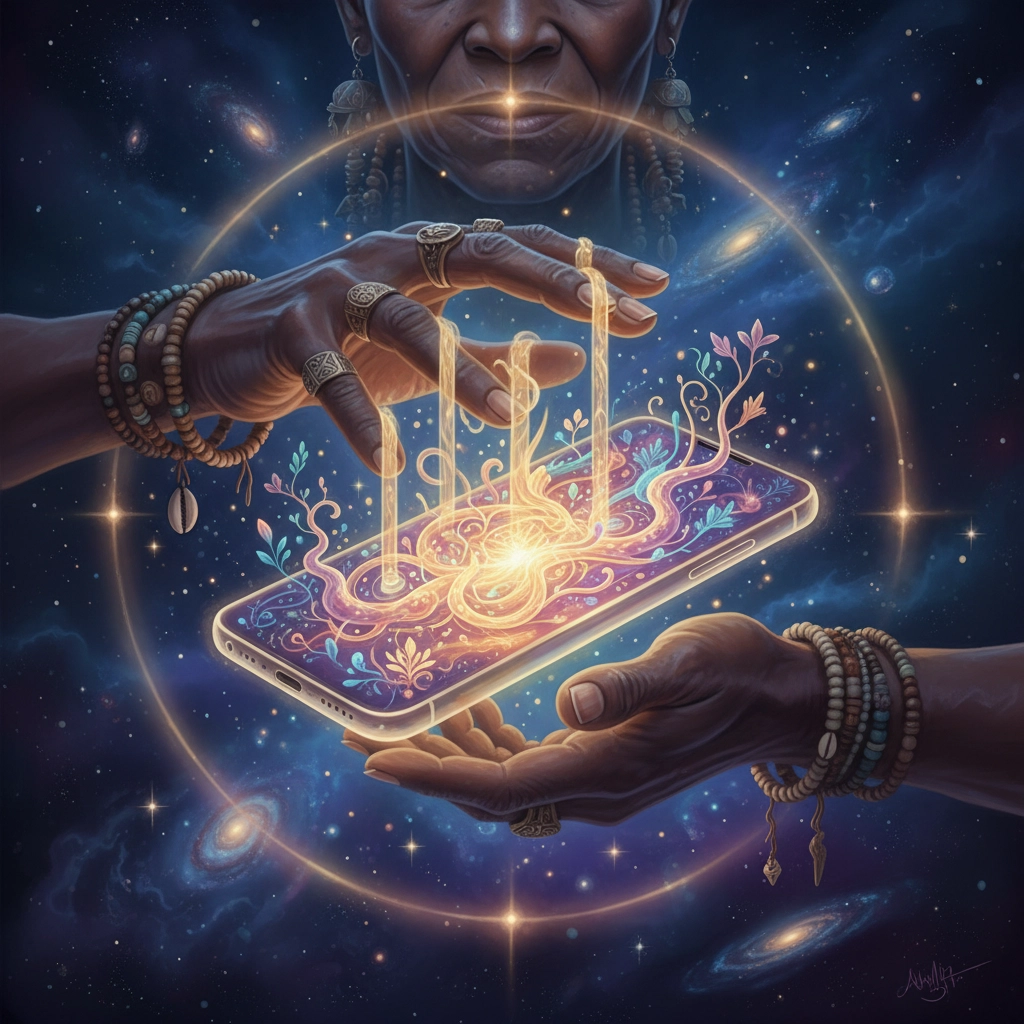
Here's where most martech AI gets it wrong, it tries to automate everything without asking permission or establishing trust first. That's like a Reiki practitioner just putting their hands on someone without consent or explanation. Violation of energetic boundaries, right?
Your AI should be designed to sense when users want full control versus when they're ready to hand over certain decisions. Build in natural pause points where users can check in with the automated processes. Create "energy checks", moments where the system asks, "How does this feel? Should we keep going this direction?"
Connection-Based Personalization
Most AI personalization is creepy because it's based on surveillance, not connection. It's like someone studying you from across the room and then pretending they know what you need.
Reiki-inspired personalization asks users what they need directly, honors their stated preferences, and builds understanding through transparent interaction. Your AI learns alongside users instead of learning about them in secret.
Healing-Oriented Error Handling
When something goes wrong in your app (and it will), how does your system respond? Most error messages feel like scolding or abandonment. A Reiki-informed approach would treat errors as opportunities for deeper connection and learning.
Design error states that acknowledge frustration, offer genuine help, and treat the interruption as a chance to strengthen the user relationship rather than a failure to be hidden.
The Team Energy Piece
Now, here's what most people miss when they're trying to build more human-centered AI: you can't create mindful technology if your development team is operating from a frantic, disconnected energy.
If your engineers are coding under crushing deadlines, if your product managers are obsessing over metrics without considering user wellbeing, if your leadership is pushing for features that prioritize extraction over service, that energy gets baked right into the product.

Your development process needs its own energetic hygiene:
- Intentional sprints where teams set clear intentions for user impact, not just feature delivery
- Regular energy check-ins where team members can honestly assess whether they're creating from inspiration or desperation
- User empathy rituals that help developers stay connected to the real humans who will use their code
- Sustainable pace that allows for the reflection and intuition that leads to truly innovative solutions
Real-World Implementation
"Okay, Monroe, this all sounds nice, but how do I actually implement this without my stakeholders thinking I've lost my mind?"
Fair question. Here's how you sneak this wisdom into your development process:
Start with user research that asks deeper questions. Instead of just "What features do you want?", ask "How do you want to feel when using this tool?" and "What would make this feel supportive rather than demanding?"
Build in reflection points throughout your user flows. Call them "progress check-ins" or "preference updates" if spiritual language makes your team uncomfortable. The point is creating space for conscious interaction.
Test for energetic impact, not just usability. After user testing sessions, ask participants how they felt, not just whether they could complete tasks. Track energy levels, not just conversion rates.
Design for user agency. Every AI recommendation should come with clear options for the user to modify, reject, or understand the reasoning behind it. Transparency builds trust, and trust creates sustainable engagement.
When Your Competition is Still Playing the Old Game
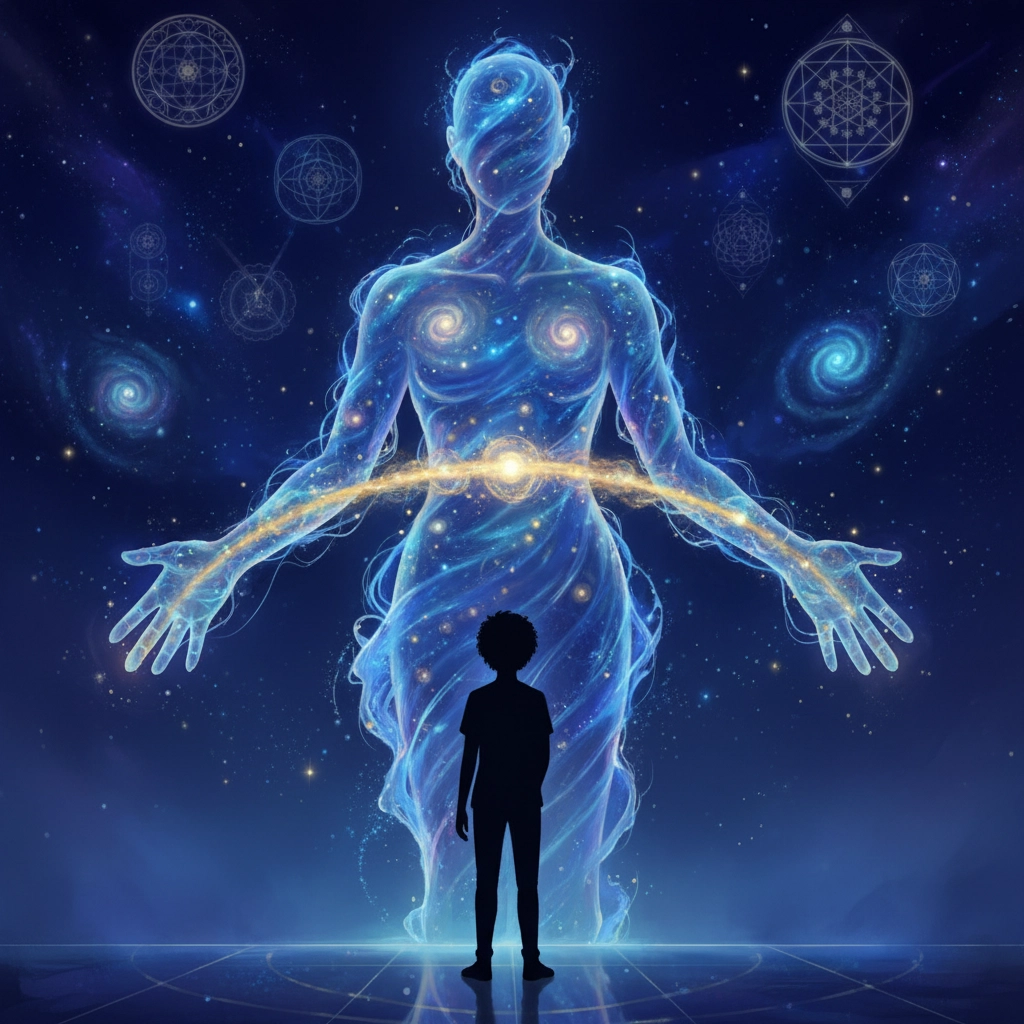
Here's the thing about bringing Reiki principles to martech development: you're gonna be ahead of the curve. While your competitors are still building apps that treat users like data points to be optimized, you'll be creating technology that actually serves human flourishing.
And guess what happens when you build tools that genuinely support people? They stick around. They recommend you to others. They become genuine advocates instead of reluctant subscribers looking for the exit door.
Your customer lifetime value isn't just about revenue extraction: it's about creating relationships that energize both parties.
The Ripple Effect
When you design AI apps with Reiki-inspired consciousness, you're not just improving user experience. You're modeling a different way of approaching technology development. Your team starts operating with more intention. Your users start expecting better from other tools. Your competitors start wondering why their retention rates aren't matching yours.
You become part of the solution to tech's empathy crisis.
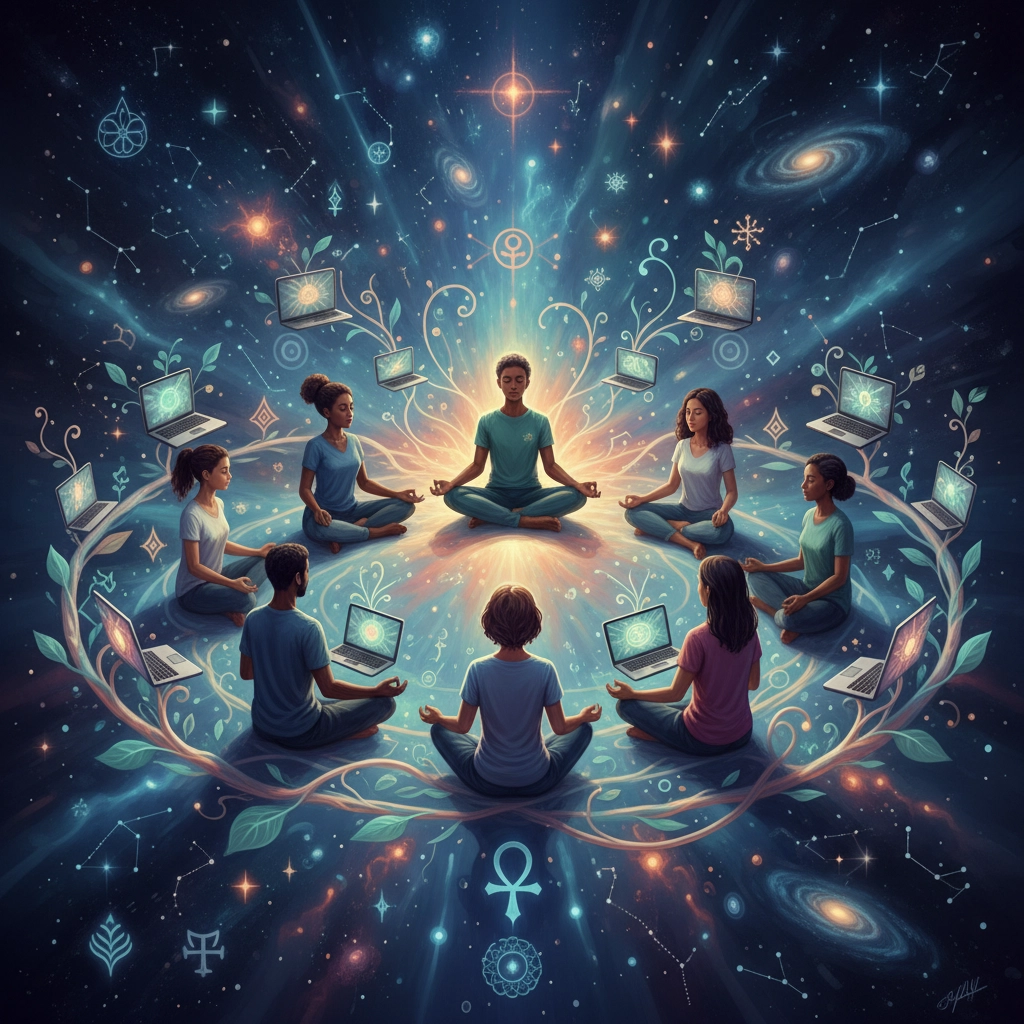
Ready to Shift the Energy?
Look, building mindful AI isn't about abandoning good business practices or turning your martech platform into a meditation app. It's about recognizing that sustainable success comes from creating technology that genuinely serves human wellbeing.
Your users are tired of being manipulated. Your team is tired of building soulless products. Your stakeholders are tired of churn rates and engagement drops that come from treating people like conversion targets.
The answer isn't better algorithms or more aggressive personalization. It's more consciousness in how we approach the entire development process.
Start small. Pick one feature, one user flow, one team ritual. Ask yourself: "How would this feel different if we approached it with the same intentionality and care as a Reiki session?"
Then build from there. Your users: and your bottom line: will thank you for it.
Want to explore how ancestral healing principles can inform your tech development process? The wisdom traditions have been solving human connection problems for thousands of years. Maybe it's time we started listening.