

Let's be real here, if you've been practicing Reiki for a while, you've probably felt it. That little voice saying "there's got to be more to this." Maybe you're working with traditional Usui Reiki, feeling the energy, seeing results, but something's telling you there are deeper layers waiting to be unlocked.
You're not imagining it. And you're definitely not being disrespectful to tradition by wanting more.
Here's what I've learned after years of working with multiple lineages: healing isn't one-size-fits-all, and neither should your practice be. When you blend different Reiki lineages thoughtfully, Japanese, Egyptian, Tibetan, even Celtic, you're not diluting the power. You're amplifying it.
Why Single-Tradition Approaches Hit a Wall
Don't get me wrong, traditional single lineages are powerful. They've been healing people for generations, and there's something beautiful about following one clear path. But here's the thing: people are complex, and their healing needs are complex too.
Think about it. Your client dealing with ancestral trauma might need the deep Egyptian Sekhem frequencies that work with ancient memory patterns. Meanwhile, someone struggling with anxiety might respond better to the gentle, breath-focused techniques from traditional Japanese Reiki that emphasize Ki flow into the Hara.
When you're locked into one approach, you're basically showing up to a toolbox situation with just a hammer. Sure, you can make it work, but wouldn't you rather have the whole toolkit?
The Magic Happens in the Blending
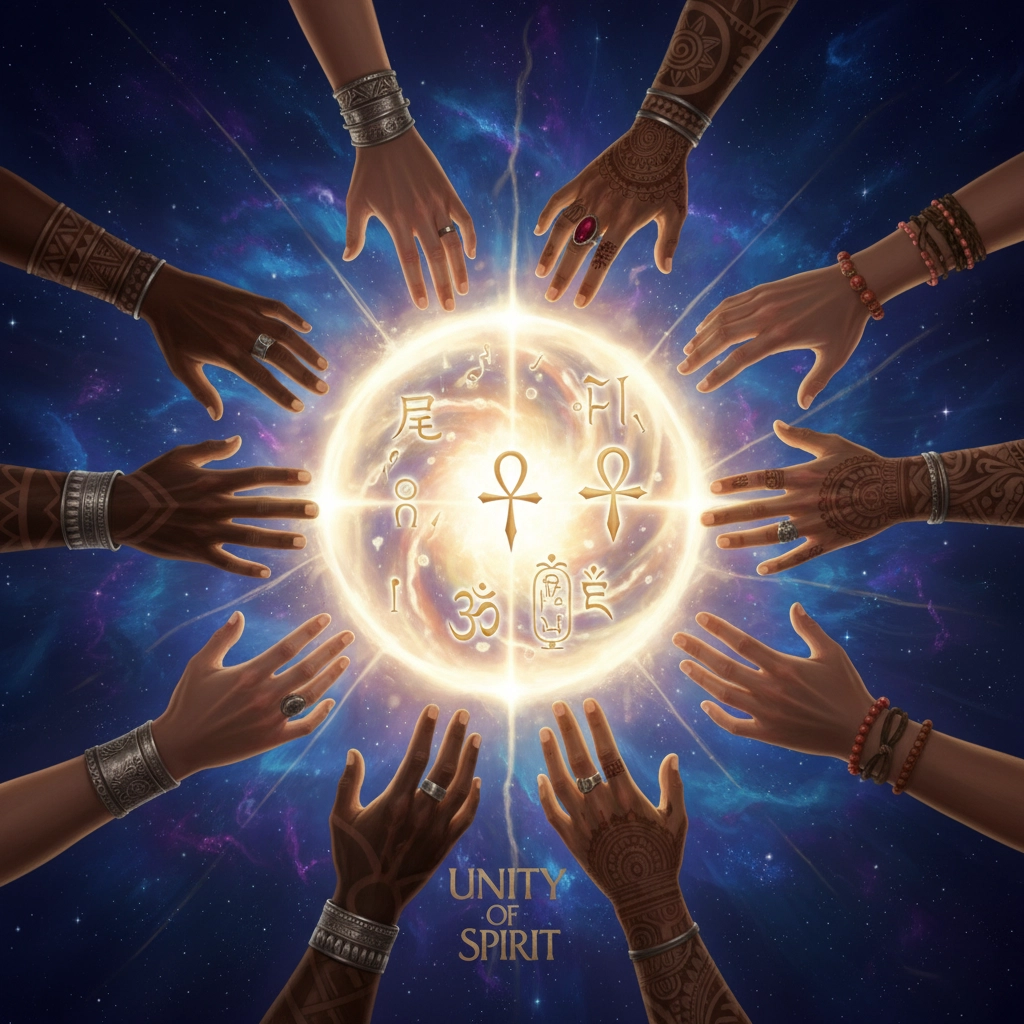
Here's where it gets interesting. Different lineages carry what I call "energetic signatures", distinct frequencies that reflect their cultural and spiritual origins. Japanese Reiki flows differently than Egyptian Sekhem. Tibetan approaches hit different energy centers than Western chakra-focused methods.
When you learn to weave these together, you're not just adding techniques to your practice. You're creating energetic bridges that can reach people on multiple levels simultaneously.
I've seen practitioners who are attuned to ten different styles of Reiki, working with Japanese, Egyptian, Tibetan, and Buddhist traditions all in one session. The results? They report being able to "expand and deepen the desired regenerative, growth, and transformational outcomes" in ways that single traditions simply couldn't touch.
What This Actually Looks Like in Practice
Let's break this down practically. Western Reiki lineages typically focus on chakra systems, you know, working with those seven main energy centers, using hand positions, calling in the symbols. It's systematic, it's reliable, it works.
But traditional Japanese Reiki? That's all about Ki flow and profound breathing techniques into the Hara, your power center below the navel. It's more intuitive, more focused on the subtle movements of life force energy.
Now imagine combining both approaches in one session. You're working the chakra system while simultaneously engaging the Hara breathing. You're using Western symbols to direct energy flow while tapping into Japanese intuitive scanning techniques to find where the real blockages are hiding.
That's not chaos: that's symphony.
The Deeper Healing Mechanisms
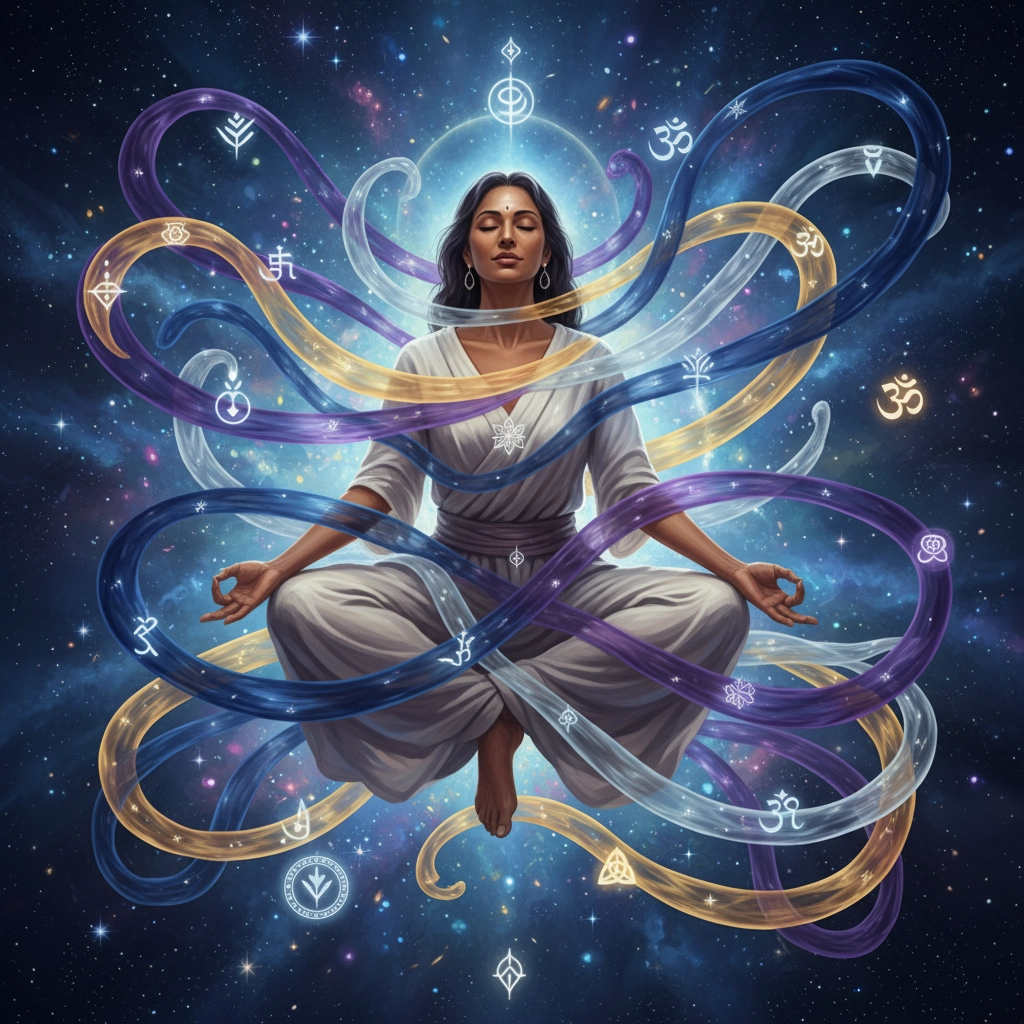
When you blend lineages, you're accessing what I call "multi-dimensional healing." Here's how it works:
Energetic Diversity: Each lineage carries different frequencies. Egyptian Sekhem works with ancient, primal healing energies. Tibetan approaches often include spiritual guides and higher dimensional connections. Japanese methods focus on breath and subtle energy movement. When you combine them, you're offering the recipient's energy system multiple doorways to healing.
Cultural Resonance: Sometimes a person's soul needs healing that speaks in a particular cultural or spiritual language. Someone with strong Egyptian past-life connections might not fully open to purely Japanese techniques. But blend them? Now you're speaking multiple languages to their energy system.
Expanded Toolkit: Different symbols, different hand positions, different breathwork, different ways of calling in spiritual support. When you're working with someone who has "resistant and persistent blockages," having multiple approaches means you can find the key that actually turns their lock.
Addressing the "But What About Tradition?" Concern
I hear you. There's this worry that blending traditions somehow disrespects the lineage or waters down the power. Let me tell you something: tradition serves healing, not the other way around.
The masters who created these systems: Mikao Usui, the Egyptian initiates, the Tibetan monks: they were innovators. They were blending influences from their time, their culture, their spiritual insights. Usui himself integrated Buddhist meditation, Shinto practices, and martial arts concepts into what we now call "traditional" Reiki.
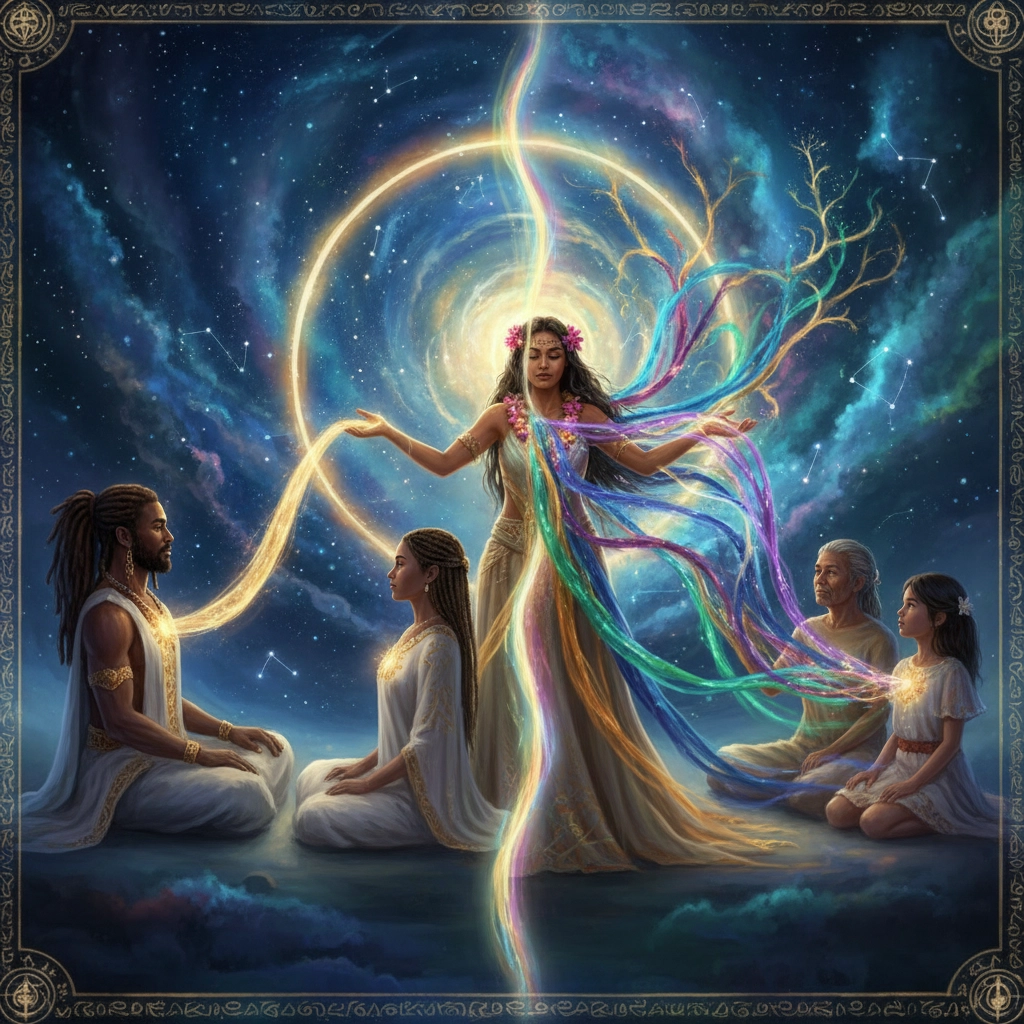
The key is blending with respect, not just mixing random techniques. You honor each lineage by understanding its core principles, by maintaining the energetic integrity of each system, and by using them in ways that enhance rather than override each other.
The Practical Path to Multi-Lineage Mastery
Here's how to do this responsibly, without turning into a spiritual collector who knows a little bit about everything but masters nothing:
Start with solid foundation. Get really good at one lineage first. I mean really good: not just attuned, but practiced, confident, able to feel the subtle differences in energy quality and flow.
Study with authentic teachers. Don't learn Egyptian Sekhem from someone who learned it from a weekend workshop. Find teachers who carry genuine lineage, who understand the cultural and spiritual context of what they're teaching.
Practice integration slowly. Don't throw five different lineages into one session right away. Start by adding one complementary technique at a time. Feel how they work together. Notice what enhances and what conflicts.
Listen to the energy. This is crucial. The energy itself will tell you what's needed in each session. Sometimes you'll be guided to stay purely within one lineage. Other times, you'll feel the call to blend. Trust that guidance over any rigid rules.
Working with Guides, Ancestors, and Spiritual Teams
Here's something most single-lineage training doesn't prepare you for: when you open to multiple traditions, you often start connecting with broader spiritual support systems. Different lineages work with different guides, different ancestral energies, different spiritual frequencies.
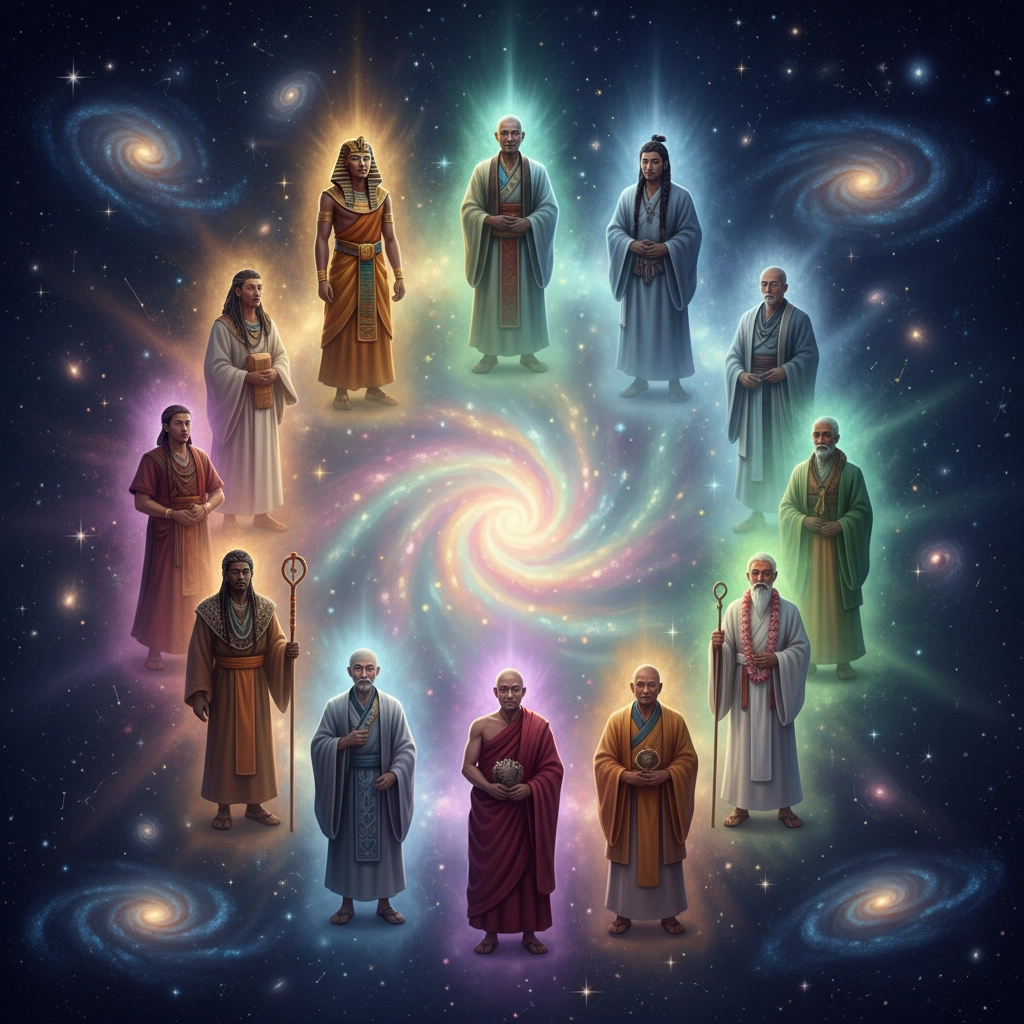
Egyptian lineages might connect you with ancient temple energies and deity consciousness. Tibetan approaches often involve spiritual guides from those wisdom traditions. Japanese methods can put you in touch with nature spirits and elemental forces.
When you're working multi-lineage, you're essentially co-creating with a whole spiritual team instead of working alone. But this requires discernment, boundaries, and clear intention. You need to know who you're inviting into the healing space and why.
The Science Behind Why This Works
Look, I know some of you need the logical explanation, so here it is: different frequencies affect different aspects of the human energy system. We're not just talking chakras here: we're talking about the complex interplay between electromagnetic fields, consciousness, emotional patterns, and physical health.
Each lineage has developed techniques that work with specific aspects of this system. Japanese approaches often work with what they call "byosen": the ability to sense disease and imbalance through energy scanning. Egyptian methods work with what they call "Sekhem": a fiercer, more transformative healing energy that can break through deep-seated patterns.
When you combine these approaches, you're addressing healing from multiple angles simultaneously. It's like the difference between treating a complex illness with one medication versus using a comprehensive treatment protocol.
When NOT to Blend Lineages
Real talk: this isn't always the answer. Sometimes a client needs the deep, focused power of one pure lineage. Sometimes mixing energies creates confusion rather than clarity.
Trust your intuition on this. If someone comes to you in crisis, dealing with fresh trauma, they might need the gentle consistency of pure Usui Reiki rather than a complex blend. If someone is new to energy work, start simple.
The goal isn't to show off how many lineages you know. The goal is to serve the highest healing outcome for each individual person.
Your Next Steps
Ready to explore this deeper? Start by honestly assessing your current practice. Are you hitting walls with certain clients? Are there healing challenges that your current lineage doesn't seem to fully address?
If so, research authentic teachers in complementary lineages. Look for practitioners who honor tradition while understanding integration. Ask questions. Feel into their energy. Make sure they're teaching from genuine lineage, not just spiritual collecting.
And remember: this is a journey, not a destination. Every client you work with, every session you facilitate, every moment you spend in practice is teaching you something about how different energies work together.
Your healing practice is meant to evolve. The question isn't whether you should stay traditional or go multi-lineage. The question is: what serves the highest healing for the people who come to you?
The ancestors from all these lineages? They're not competing with each other. They're waiting to work together through practitioners brave enough to build bridges between worlds.
Ready to stop playing small with your healing gifts? Time to honor tradition by expanding it. Your clients: and your spiritual team: have been waiting for you to step into this bigger vision of what's possible.