

Let me be real with you right off the bat – Korean folk healing and Reiki come from different worlds entirely. Reiki is a Japanese energy healing method that Mikao Usui developed in the early 1900s, while Korean healing traditions go back thousands of years with their own rich spiritual and herbal practices. But here's the thing: just because they have different origins doesn't mean they can't dance beautifully together in modern healing work.
I've been working with clients who want to honor their Korean heritage while also embracing the gentle, accessible energy work that Reiki offers. What I've discovered is that when you understand the deep wisdom of Korean folk healing – the Han bang system, the shamanic practices, the incredible herbal knowledge – you can create a healing approach that honors both traditions without appropriating or diminishing either one.
Understanding Korean Folk Healing's Energy Foundation
Korean traditional medicine, or Han bang, operates on a sophisticated understanding of energy that predates Reiki by centuries. At its core is the concept of Ki – the life force energy that flows through all living things. Sound familiar? That's because Ki and Reiki's "universal life energy" are cousins in the same energetic family.
The Korean approach recognizes that illness comes from imbalances in um (yin) and yang, plus disruptions in how the five elements – fire, earth, metal, water, and wood – interact within your body. But here's what makes it different from other systems: Korean healing sees illness as often stemming from emotional trauma, ancestral spirits, or disrupted energy fields. That's some deep stuff right there.
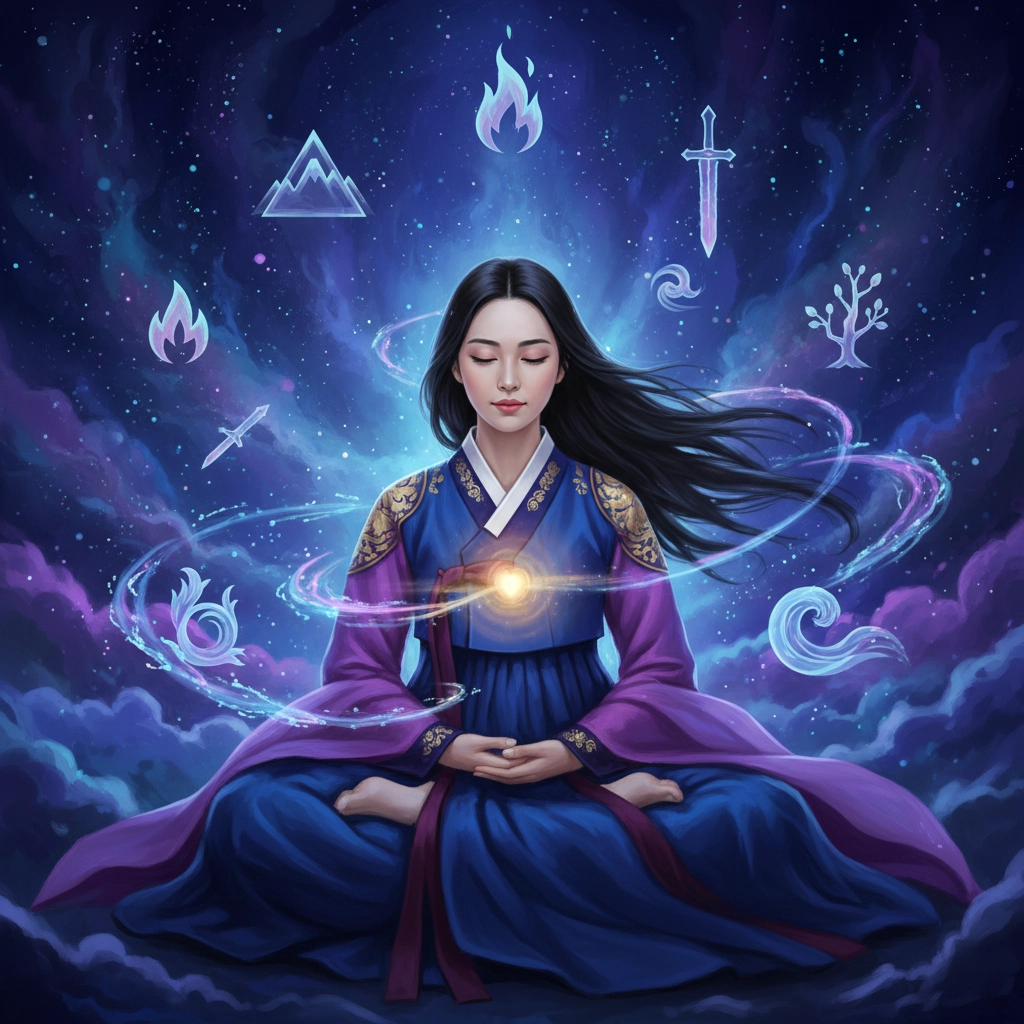
When I work with clients who have Korean ancestry, I often start by helping them understand that their bodies already know this ancient wisdom. Your Korean ancestors understood that physical symptoms are often the body's way of expressing spiritual or emotional imbalances. They didn't separate the mind, body, and spirit – it was all one interconnected system.
The Herbal Wisdom That Grounds Everything
Let's talk about Hanyak – Korean herbal medicine. This isn't just throwing some ginseng in hot water and hoping for the best. We're talking about a sophisticated system where practitioners carefully select and combine herbs like ginseng, angelica root, and licorice to create complex formulas that target specific imbalances.
What blows my mind is how Korean healing uses herbs beyond just drinking teas. There's yak-tang-mok – herbal baths using angelica, chrysanthemum, and mugwort that promote detoxification and circulation. Picture this: women gathering in bathhouses, steaming with healing herbs in a practice called san-hu-jori for postpartum recovery. Healing became a community experience, not something you did alone in a sterile room.
Here's where the blending gets interesting. When I combine Reiki with Korean herbal wisdom, I might:
- Hold space energetically while a client uses traditional Korean herbal preparations
- Channel Reiki energy while they're soaking in a mugwort bath
- Use Reiki to amplify the intention behind herbal remedies
- Work with the energy of ancestral plant spirits during healing sessions
The herbs provide the physical grounding while Reiki offers the energetic support. Your ancestors were onto something powerful when they understood that healing happens on multiple levels simultaneously.
Shamanic Healing and Ancestral Connections
Now we're getting to the heart of it – the shamanic traditions that most people don't know about. Mudang shamans perform healing ceremonies called kut to restore harmony between individuals and the spirit world. These aren't just pretty rituals; they're powerful interventions for conditions that conventional medicine struggles with.
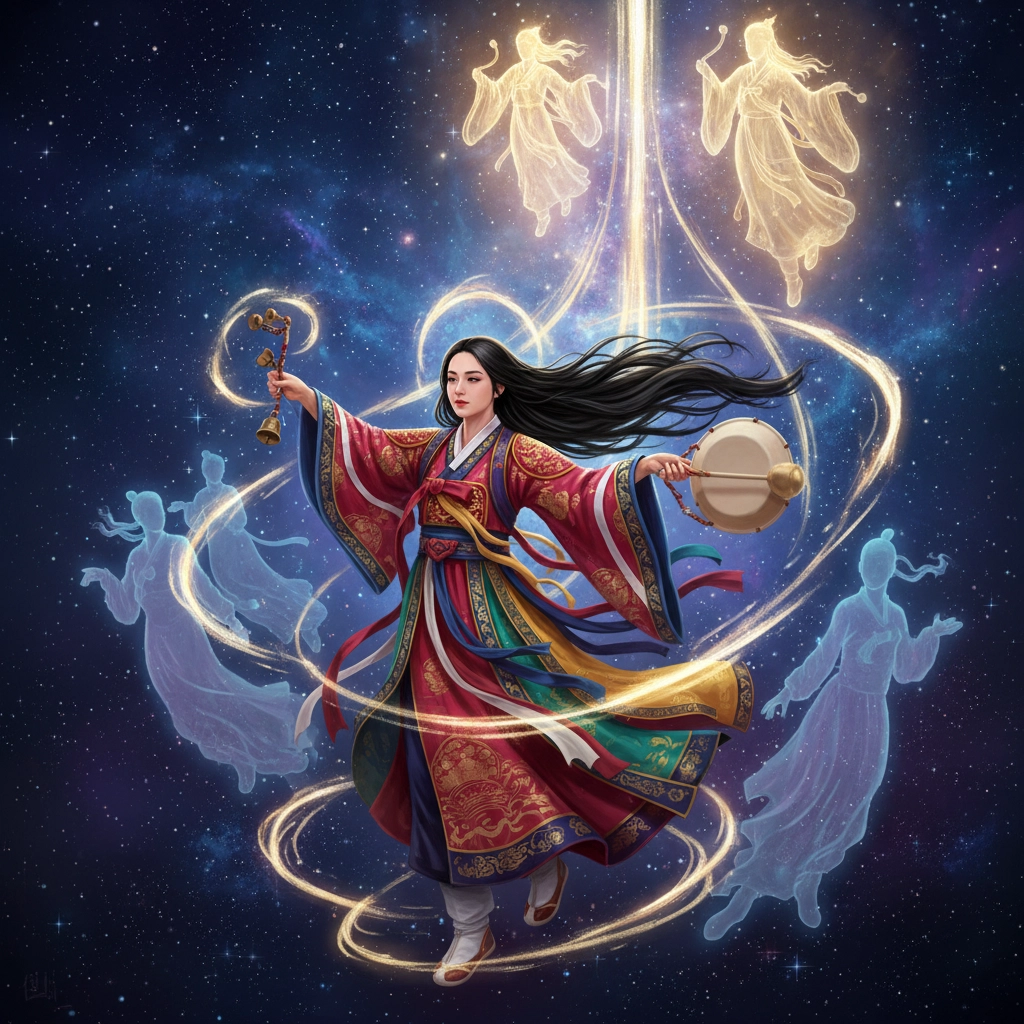
Ever heard of Hwabyung? It's what Koreans call "fire illness" – basically what happens when you suppress your emotions for so long that your body starts breaking down from the inside out. The anger, frustration, and unexpressed feelings literally create heat and inflammation in your system. Korean shamanic healing recognized this connection between emotional suppression and physical illness way before Western medicine caught on.
During kut ceremonies, families gather to sing, dance, and commune with spirits. It's not just about the person receiving healing – it's about the whole family system, the ancestral connections, the spiritual relationships that affect physical health. The community creates space for emotional catharsis that soothes angry spirits and fights illness.
When I blend this with Reiki, magic happens. I might:
- Use Reiki to create sacred space before honoring ancestral spirits
- Channel energy while helping clients connect with their Korean lineage
- Combine gentle Reiki touch with traditional Korean chanting or singing
- Work with both Japanese and Korean spiritual guides in the same session
Practical Energy Techniques: Where East Meets East
Here's where it gets practical. Korean healing uses several hands-on techniques that complement Reiki beautifully:
Ch'im (acupuncture) redirects Ki flow through specific meridian points. While I'm not suggesting you start sticking needles in people, you can use Reiki hand positions to work with these same energy points. I often place my hands over traditional acupuncture points while channeling Reiki energy.
D'um (moxibustion) uses heat from burning mugwort to stimulate energy movement. You can create a similar warming effect with focused Reiki energy, especially when working with clients who feel energetically cold or stuck.
Buhwang (cupping) moves stagnant energy through suction. While you're doing Reiki, you can visualize drawing out stagnant energy and replacing it with fresh, flowing Ki.
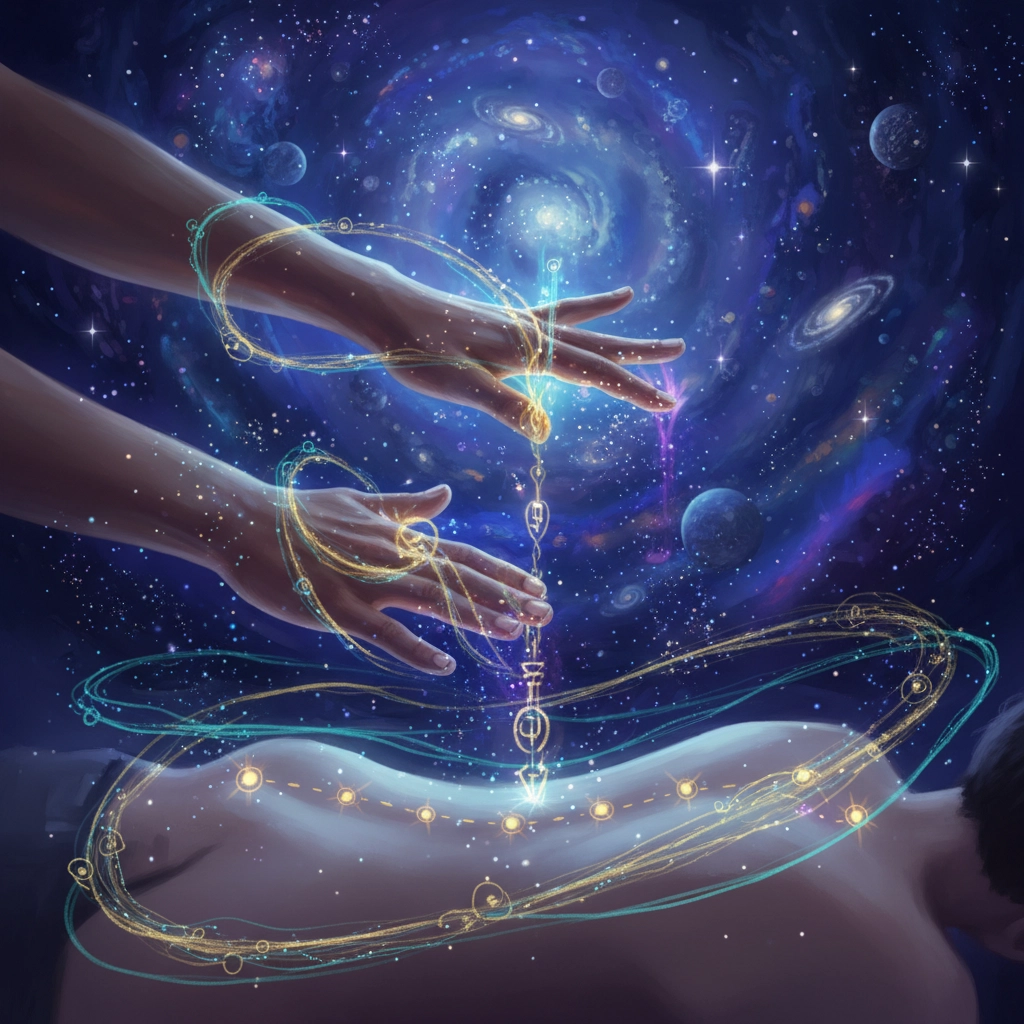
The beautiful thing is that Korean practitioners understood something Reiki also teaches: each emotion affects particular organ systems and alters energy circulation in specific ways. When you're working with someone who has Korean heritage, you're not just moving energy randomly – you're working with patterns their ancestors understood intimately.
Honoring Both Traditions Without Appropriation
Listen, I need to address the elephant in the room. Cultural appropriation is real, and it matters. You don't get to just cherry-pick practices from Korean culture without understanding the context, history, and respect these traditions deserve.
If you're not Korean, approach this work with humility. Learn about Korean history, including how colonial powers tried to suppress traditional Korean medicine. Understand that when Korean immigrants continue using traditional medicine alongside Western healthcare, they often do it quietly because they've learned their practices might be ridiculed.
Here's how to blend respectfully:
- Study both traditions deeply – don't just grab surface-level techniques
- Work with Korean healers and teachers when possible
- Always acknowledge the origins of what you're using
- Don't claim to be practicing "Korean Reiki" – these are complementary approaches
- Focus on how they enhance each other rather than creating a new fusion system
Working with Ancestral Healing and Modern Energy Work
One area where these traditions merge beautifully is ancestral healing. Korean culture has always recognized that failure to fulfill spiritual obligations – whether to ancestors, family, or spiritual guides – can manifest as physical illness.
Your Korean ancestors aren't impressed by excuses. They're watching to see if you'll step up and honor the healing wisdom they've passed down. When you combine this understanding with Reiki's gentle, accessible energy work, you create space for profound healing that honors both lineages.
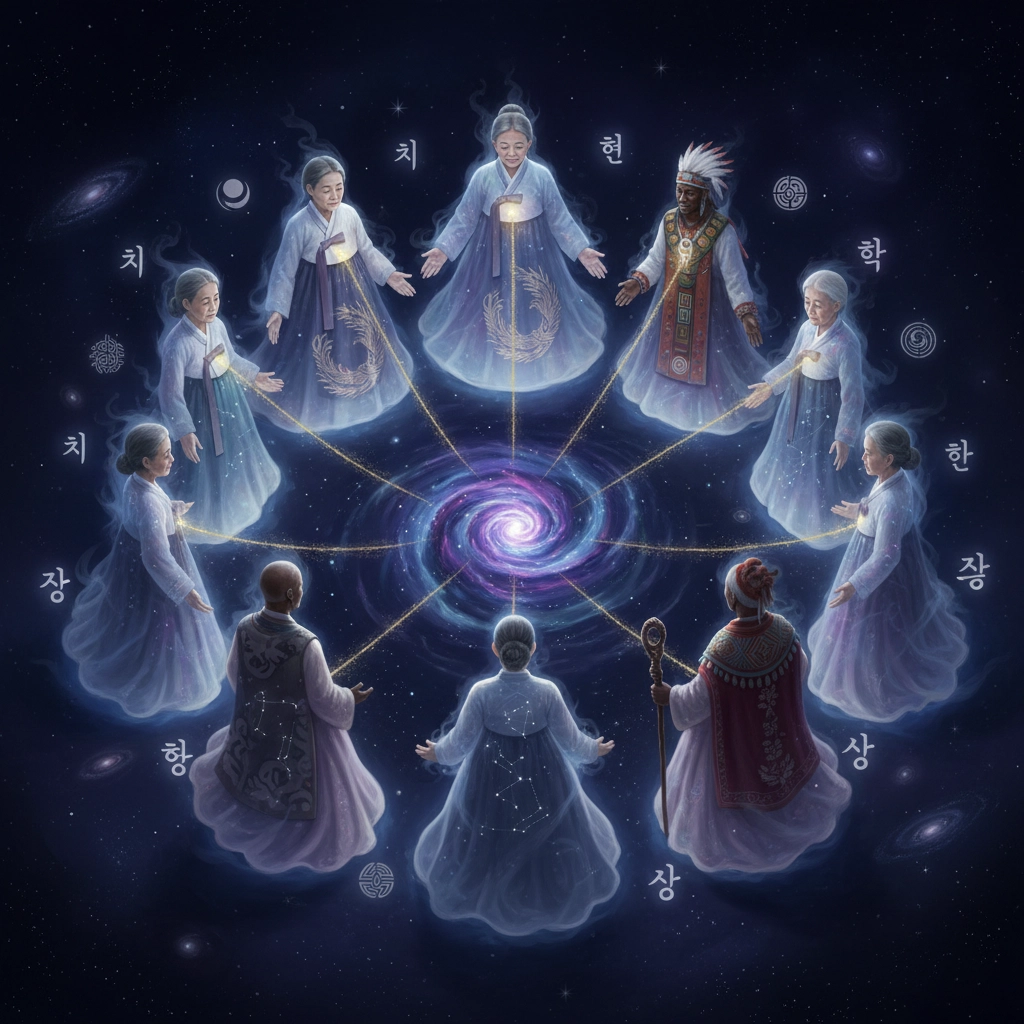
I've seen clients experience breakthrough healing when they:
- Use Reiki to connect with Korean ancestral guides
- Honor traditional Korean spiritual practices while receiving energy work
- Combine herbal remedies with energetic clearing
- Address Hwabyung through both emotional release and energy healing
Creating Your Own Blended Practice
Ready to explore this yourself? Start small and build mindfully:
Begin with respect and education. Learn about Korean healing traditions from authentic sources. If you have Korean heritage, talk to elders in your family about traditional practices they remember.
Ground yourself in both systems. Get proper Reiki training and also study Korean traditional medicine principles. You need solid foundations in both to blend them effectively.
Work with intention and community. Korean healing was never a solo practice – it involved families and communities. Consider how you can honor this communal aspect in your work.
Listen to your body and your guides. Both traditions emphasize that your body has wisdom. Trust what feels authentic and healing for you.
The Path Forward
The future of healing doesn't have to choose between ancient wisdom and modern techniques. When you understand that Korean folk healing and Reiki are both working with life force energy – just through different cultural lenses – you can create approaches that honor both traditions while serving the healing that's needed right now.
Your ancestors, whether Korean or not, want you to have access to all the healing tools that can serve your highest good. They didn't preserve these traditions through centuries of oppression just for you to ignore them now.
Are you ready to explore how these powerful healing traditions can work together in your life? Start by learning one new thing about Korean healing wisdom this week. Light a candle for your ancestors, whether Korean or otherwise, and ask them to guide you toward the healing approaches that will serve you best.
The path is waiting. Your ancestors are watching. And your healing journey is ready to get a whole lot deeper.