

Look, if you're reading this, chances are you've felt it, that overwhelming sensation of walking into a room and immediately knowing someone's having a rough day. Or maybe you're the person everyone comes to with their problems, and you end up carrying their emotional baggage home with you. You're not broken, and you're definitely not alone.
Being an empath or highly sensitive person (HSP) in this world can feel like you're walking around without skin sometimes. But here's what I want you to know: our ancestors figured this out centuries ago. They developed beautiful, powerful practices that weren't just about pretty rituals, they were about survival and thriving in a world full of other people's energy.
Today, we're diving into some of these time-tested practices that can help you create boundaries, find your center, and actually use your sensitivity as the superpower it was meant to be.
The Sacred Pause: Why Tea Ceremony Isn't Just About Tea
Let's start with something that might surprise you, the Japanese tea ceremony isn't just about making a perfect cup of tea. It's about creating sacred space in the middle of chaos.
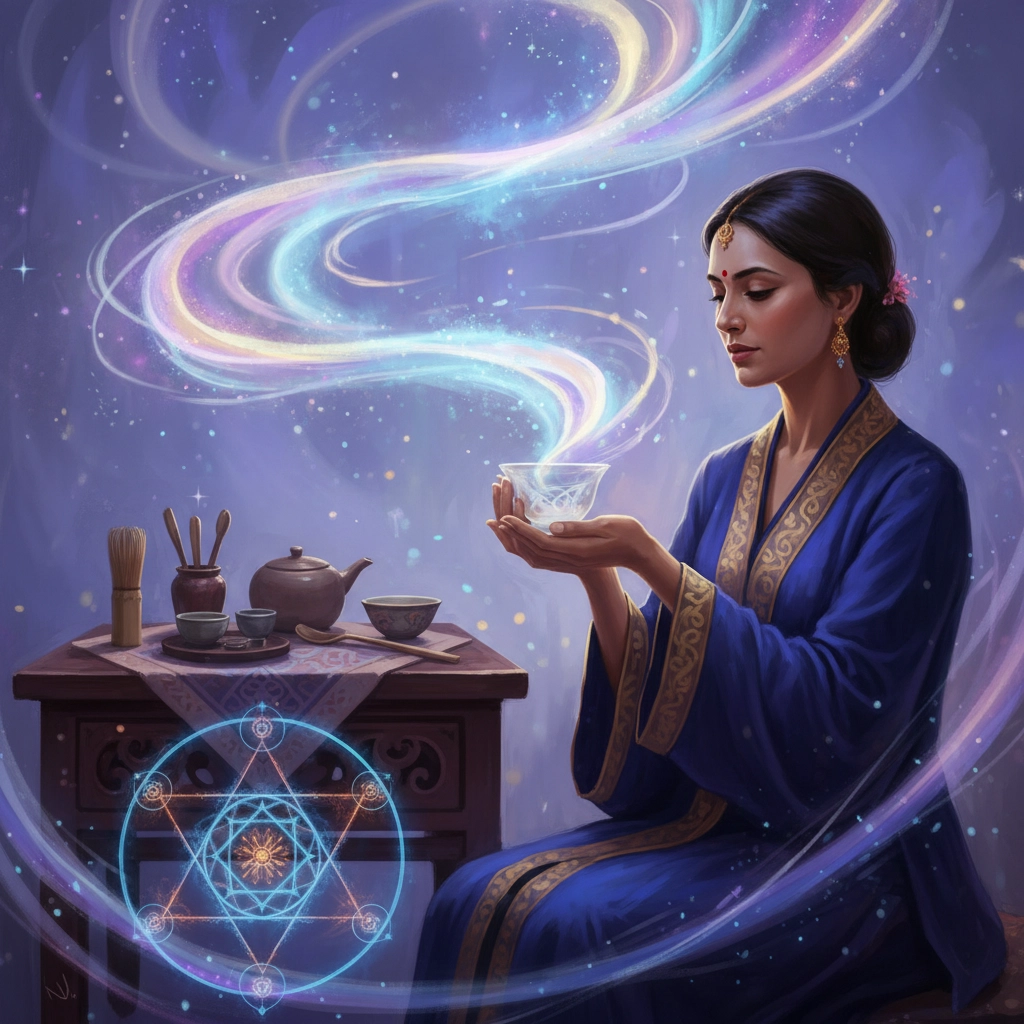
When you're highly sensitive, your nervous system is constantly processing information, every sound, every facial expression, every shift in the room's energy. The tea ceremony teaches you how to slow down that processing and create what I call "intentional pauses."
Here's what's really happening during a traditional tea ceremony:
The Mindful Preparation: Every movement is deliberate. You're not rushing to get to the end result, you're present with each step. This teaches your overstimulated nervous system that it's safe to slow down.
The Ritual Container: There are specific steps, specific tools, specific ways of moving. This predictability creates safety for sensitive people who often feel overwhelmed by the unknown.
The Shared Sacred Space: When done with others, everyone agrees to be present together. No phones, no distractions, just shared mindfulness. This is healing gold for empaths who are used to other people's scattered energy.
You don't need to become a tea master to use this wisdom. Start small:
- Choose one hot beverage each morning
- Make it the same way every time
- Put your phone away while you drink it
- Focus on the warmth, the taste, the moment
This isn't about perfection, it's about creating a daily practice that tells your nervous system "we're safe, we can slow down."
The Drum's Call: Ancient Rhythms for Modern Overwhelm
Now let's talk about something that might feel completely different but serves the same purpose, traditional drumming practices, particularly those from Siberian shamanic traditions.

Here's the thing about rhythmic drumming, it literally changes your brainwave patterns. And for empaths and sensitive people, this is huge because it helps you move out of that constant state of hypervigilance.
Traditional drumming practices work on multiple levels:
The Rhythm Reset: That steady beat helps regulate your nervous system. It's like giving your overstimulated brain a metronome to follow instead of trying to track every single stimulus around you.
The Community Connection: In traditional settings, drumming is often communal. You're not processing everyone else's individual emotions, you're all moving together toward one shared rhythm.
The Release Valve: The physical act of drumming lets you move energy through your body instead of storing it. All that emotional charge you've picked up during the day? It has somewhere to go.
Don't have a drum? No problem. You can:
- Use a simple frame drum or even a pot and wooden spoon
- Play drumming recordings and drum along on your thighs
- Focus on rhythmic breathing (4 counts in, 4 counts out)
- Find local drum circles in your community
The key isn't having perfect technique, it's about giving your system a rhythmic anchor when everything else feels chaotic.
Protection Practices That Actually Work
Let me be real with you for a minute. You can't just "think positive" your way out of being energetically overwhelmed. Sensitive people need actual tools and boundaries, not just good intentions.

Here are some traditional protection practices that have stood the test of time:
Energy Cleansing Rituals:
- Salt baths (Epsom or Himalayan salt) to clear absorbed emotions
- Smoke cleansing with sage, palo santo, or other sacred plants
- Working with protective stones like black tourmaline or obsidian
Morning Grounding Practices:
- Place your bare feet on the earth for at least 5 minutes
- Visualize roots growing from your feet into the ground
- Set a daily intention: "I am open to love and closed to chaos"
Boundary Setting Energy Work:
- Visualize a protective bubble of light around you before going out
- Practice the phrase: "This feeling isn't mine" when you pick up someone else's emotions
- Learn to physically move away from energy vampires (yes, they're real)
The thing is, your ancestors knew that being sensitive was actually a gift, but they also knew it needed to be protected and cultivated.
Why These Practices Work When Others Don't
Here's what most people don't understand about sensitivity: it's not a weakness that needs to be fixed. It's a finely tuned instrument that needs proper care.
These traditional practices work because they:
Address the Whole System: They don't just work on your mind, they engage your body, your energy, your spirit. Sensitive people need holistic approaches because sensitivity affects everything.
Create Predictable Safety: Rituals and traditions provide structure. When everything else feels chaotic, having predictable practices tells your nervous system it's safe to relax.
Honor the Gift: Instead of trying to shut down your sensitivity, these practices help you work with it consciously. They teach you how to be sensitive without being overwhelmed.
Connect You to Something Bigger: Whether it's the ancient wisdom of tea ceremony or the primal healing of drumming, these practices remind you that you're part of a long lineage of sensitive, intuitive people who figured out how to thrive.
Your Practical Next Steps
Alright, enough theory. Here's what you're going to do this week:
Day 1-3: Choose your tea ceremony practice. Pick one hot beverage, make it mindfully, drink it without distractions.
Day 4-6: Add rhythmic elements. This could be drumming, rhythmic breathing, or even walking to a steady beat.
Day 7: Combine both practices and notice the difference in how you feel.
Don't overcomplicate this. You already have everything you need to start.
The Bottom Line
Your sensitivity isn't something to be cured or fixed: it's something to be cultivated and protected. These traditional practices have helped sensitive people for centuries because they work with your nature, not against it.
Stop trying to be less sensitive. Start learning how to be sensitive with skill.
The world needs what you have to offer, but you need to be grounded and protected to offer it. Your ancestors figured out how to do this: now it's your turn to claim these practices and make them your own.
Ready to stop feeling overwhelmed and start feeling empowered? Pour that tea, find that rhythm, and remember: sensitivity plus skill equals superpower.
Your nervous system has been waiting for this kind of care. Time to give it what it needs.