
Look, if you're drawn to energy work, you've probably felt that pull toward something deeper: something that connects you to traditions that have been moving energy for thousands of years. But here's the thing: East Asian spiritual practices aren't just some mystical, untouchable traditions floating around in ancient texts. They're living, breathing systems that modern seekers like you can actually work with.
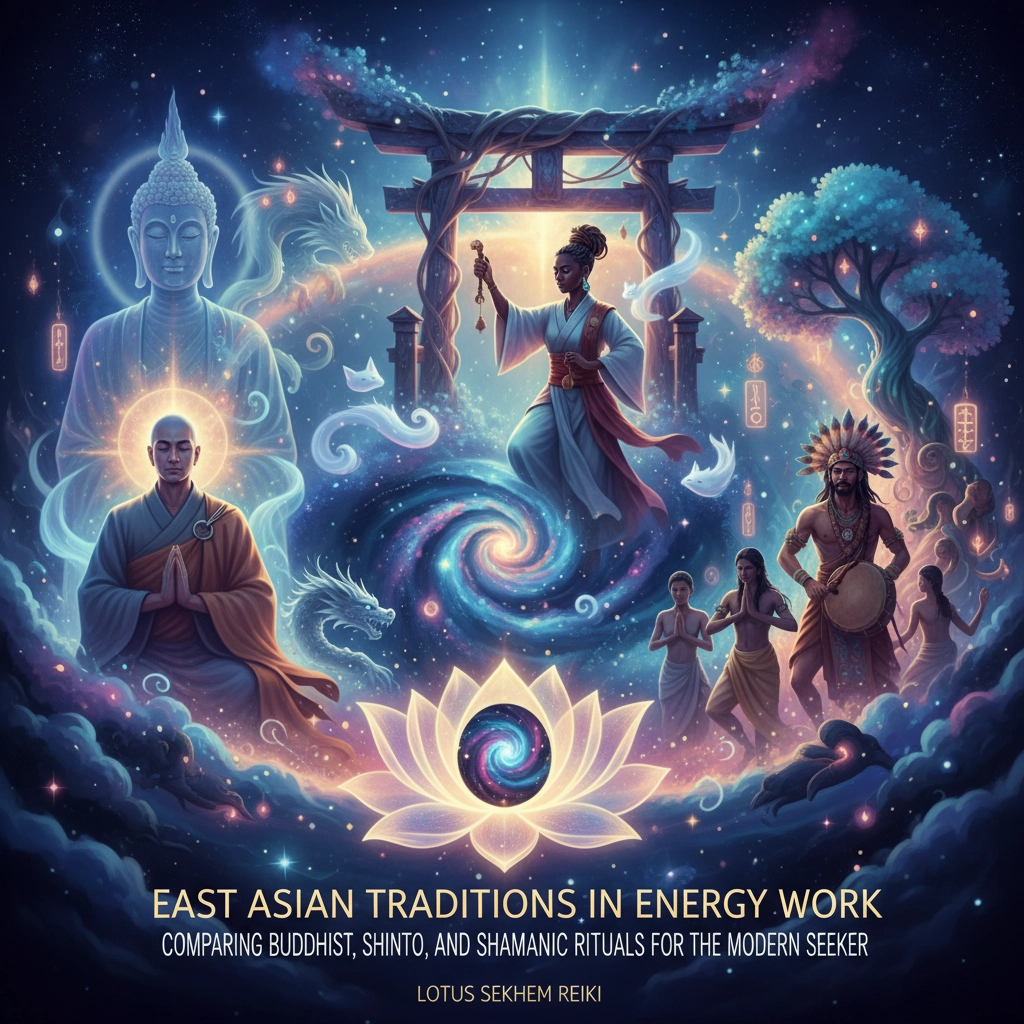
Buddhist, Shinto, and shamanic energy traditions from East Asia each offer their own flavor of working with life force: what the Chinese call qi, the Japanese call ki, and what we in the West might recognize as the energy that flows through Reiki. But don't get it twisted: these aren't interchangeable systems you can just mix and match without understanding their roots.
Let me break this down for you in a way that actually makes sense.
Buddhist Energy Work: The Path of Inner Transformation
Buddhist energy practices aren't just about sitting quietly and hoping for the best. This tradition developed some seriously sophisticated methods for working with consciousness and energy that'll challenge everything you think you know about meditation.
Meditation as Energy Technology
When Buddhism spread across Asia, it absorbed shamanic and indigenous practices everywhere it went. Tibetan Buddhism? That's Buddhism meeting Bon shamanism head-on. Zen in Japan? That's Buddhism getting cozy with Shinto nature spirits. The result is a tradition that knows how to work with altered states of consciousness like nobody's business.
The real Buddhist energy work happens when you move beyond basic mindfulness into what they call samadhi: deep concentration states where you're literally rewiring your relationship to energy and consciousness. Advanced practitioners talk about feeling connected to "universal invisible energies," and they're not being metaphorical.
Healing Through Sound and Intention
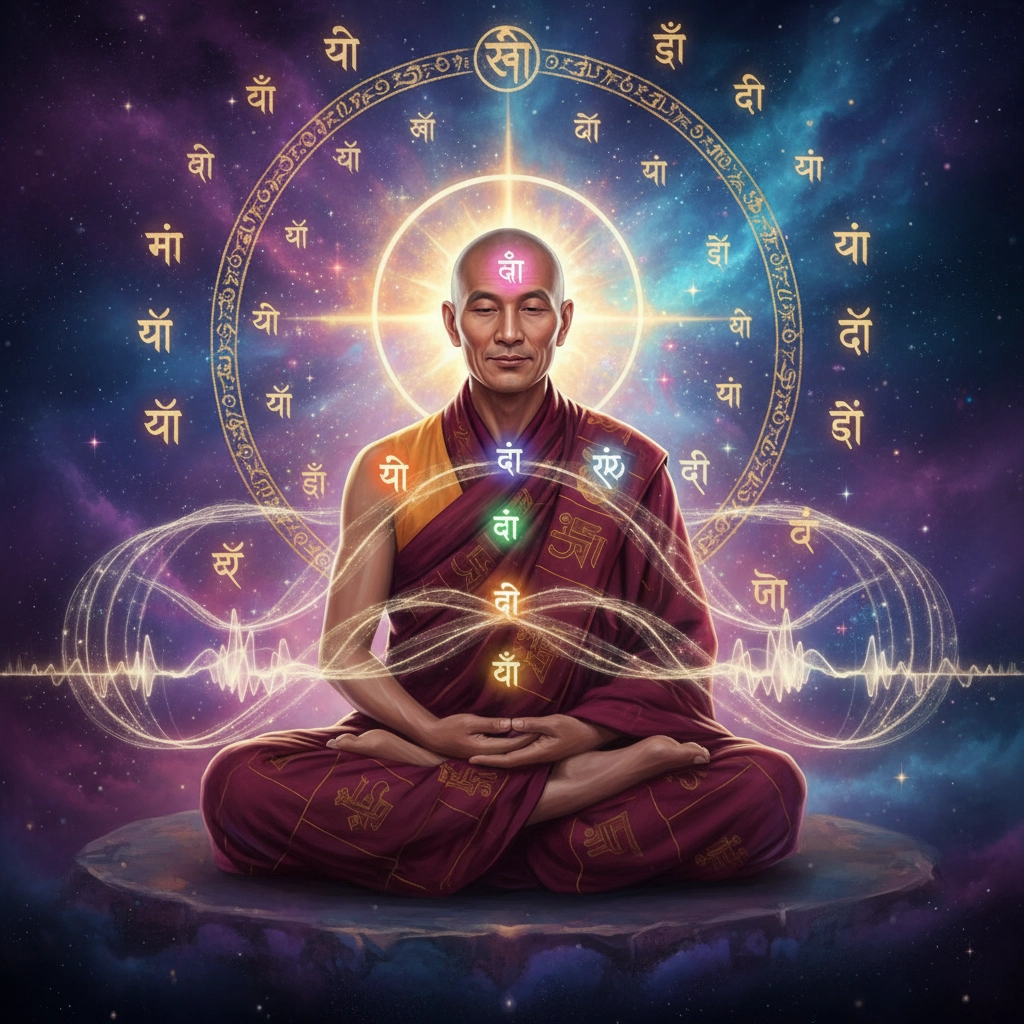
Here's where it gets practical: Buddhist healing traditions use mantras as energy medicine. When Tibetan monks chant Om Mani Padme Hum, they're not just making pretty sounds. They're using specific vibrations to purify negative energy patterns and promote healing on physical, emotional, and spiritual levels.
The Buddha himself was called the "Great Physician": not because he handed out herbs, but because his teachings were designed to heal suffering at its energetic root. Forest monks in Southeast Asia still blend Buddhist meditation with shamanic healing practices, using both herbal remedies and energy work to address illness.
Shinto: Energy Work Through Nature Connection
If Buddhist energy work is about transcending the ordinary world, Shinto is about diving deeper into it. This indigenous Japanese tradition recognizes that everything: and I mean everything: has spirit and energy.
The Kami Are Everywhere
Shinto practitioners work with kami, which aren't gods in the Western sense but spirits that inhabit natural elements. Every mountain, river, tree, and rock has its own energetic signature and consciousness. Sound familiar? It should: this is animism at its finest, and it's where a lot of modern energy work gets its foundation.
When you're doing energy healing outdoors, or you feel more connected to your practice near water or trees, you're tapping into the same principles Shinto has worked with for millennia. The difference is that Shinto practitioners don't just acknowledge these energies: they actively collaborate with them.
Purification as Energy Maintenance
Shinto puts major emphasis on purification rituals: not because the physical world is "dirty," but because energy gets stagnant and cluttered. Before entering sacred space, practitioners cleanse their hands and mouth with water, symbolically clearing energetic debris so they can connect more clearly with kami.
This isn't just ritual for ritual's sake. If you've ever noticed how much clearer your energy feels after a shower or spending time near flowing water, you're experiencing the same principle Shinto formalized centuries ago.
Shamanic Traditions: Direct Spirit Communication
East Asian shamanic practices are the granddaddies of energy work: the original traditions that Buddhism and organized religions later absorbed and refined. If you're drawn to divination, spirit communication, or working with multiple spiritual realms, this is your lineage.
Working with Multiple Realities
Shamanic practitioners in East Asia recognize that reality has layers. There are visible and invisible realms populated by different types of spirits: helpful guides, protective ancestors, healing spirits, and yes, sometimes entities that aren't so friendly.
This isn't New Age wishful thinking. Traditional shamans developed sophisticated practices for navigating these realms safely, including divination techniques like the Mo system still used in Tibetan Buddhism today. When you throw dice or use oracle cards and get eerily accurate guidance, you're working with the same principles.
Energy Healing Through Spirit Work
Here's where shamanic energy work gets real: it recognizes that some energetic blockages come from spiritual sources. Trauma, ancestral patterns, and energetic attachments require different approaches than just moving energy around with your hands.
Shamanic healing rituals often involve long hours of chanting, drumming, or other practices designed to alter consciousness and access healing energies that aren't available in ordinary states. It's intense work, but it can clear patterns that gentler methods can't touch.
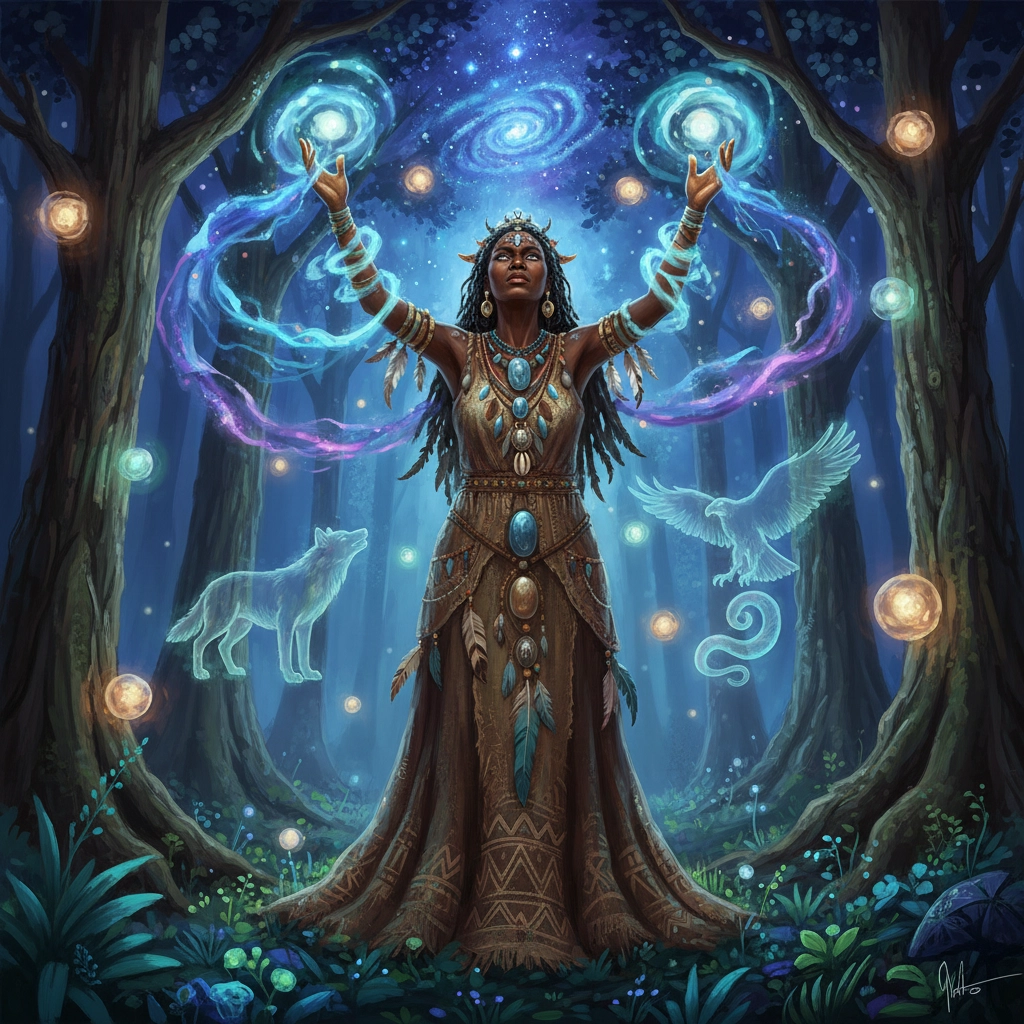
Where These Traditions Overlap (And Where They Don't)
Here's what all three traditions agree on: life force energy is real, it can be directed through intention and practice, and working with it skillfully leads to healing and spiritual development.
But they part ways on method and philosophy:
- Buddhist practices focus on transcending ordinary reality to connect with universal consciousness
- Shinto approaches emphasize harmonizing with natural energies and spirits in the physical world
- Shamanic methods work directly with multiple spiritual realms to address energetic imbalances
You don't have to choose just one. Many modern practitioners blend elements from all three, but: and this is important: you need to understand what you're working with before you start mixing traditions.
Reiki: The Modern Synthesis
This is where Reiki comes in as a brilliant example of how these traditions can work together. Developed in Japan in the late 1800s, Reiki synthesized Buddhist meditation practices, Shinto nature connection, and shamanic energy work into a system that modern practitioners can actually use.
When you place your hands on someone during a Reiki session, you're working with ki (the Japanese version of life force energy) while accessing the same universal healing energies that Buddhist monks cultivate through meditation. The Reiki symbols draw from shamanic practices of using sacred geometry to direct energy, while the emphasis on natural energy flow reflects Shinto principles.
But here's the thing: Reiki works because it respects these source traditions while creating something new and accessible. It doesn't appropriate or oversimplify; it synthesizes wisely.
Practical Guidance for Modern Seekers
If you're feeling called to explore these traditions, here's my advice:
Start with one primary practice. Don't try to be a Buddhist-Shinto-shaman all at once. Pick the approach that resonates most strongly and develop competency there first.
Respect the source. These aren't just energy techniques: they're complete spiritual systems developed by specific cultures over thousands of years. Learn about the context, not just the methods.
Work with qualified teachers. Reading about meditation or energy work isn't the same as learning from someone who's walked the path. Find teachers who've spent years developing their practice within authentic lineages.
Pay attention to what your energy actually needs. Some days you might need the transcendent focus of Buddhist meditation. Other times you might crave the nature connection of Shinto practices. Sometimes you need the direct spiritual intervention of shamanic work. Learn to read your own energy and choose practices accordingly.
Your Energy, Your Path
The beauty of these East Asian traditions is that they offer multiple doorways into the same fundamental truth: you have the capacity to work skillfully with life force energy for healing, spiritual development, and service to others.
Whether you're drawn to the systematic consciousness training of Buddhism, the nature-based energy work of Shinto, or the multi-dimensional healing of shamanic practices, what matters is that you show up consistently and do the work.
Your ancestors from whatever tradition calls to you aren't impressed by spiritual shopping. They want to see you commit, practice regularly, and develop real skill. They want to see you step into your power as an energy worker: not just for your own healing, but for the healing our world desperately needs.
Ready to stop playing spiritual tourist? Pick a tradition that calls to your soul, find a qualified teacher, and start practicing. Your energy work journey isn't just about you: it's about carrying forward wisdom traditions that have kept the light burning for thousands of years.
The question isn't whether these practices work. The question is whether you're ready to do the work.