

Listen up, energy workers – if you think Reiki exists in a vacuum, you're missing the bigger picture. While Mikao Usui gets credit for developing modern Reiki in 1920s Japan, the practice didn't emerge from nowhere. It's deeply woven into centuries of East Asian healing wisdom that crosses borders, languages, and lineages.
Today's multi-lineage Reiki practitioners are working with systems like Sekhem, Seichim, Usui, and Karuna Ki – and whether they realize it or not, they're channeling influences from Chinese, Japanese, and Korean healing traditions that have been flowing together for generations. Let's break down how these ancient streams feed into your modern practice.
The Japanese Foundation: More Than Just Usui
Yeah, we all know Reiki started with Usui's vision on Mount Kurama. But here's what most people don't talk about – Usui wasn't working in isolation. He was deeply influenced by Japanese Buddhist practices, Shinto rituals, and traditional Japanese healing methods that had already absorbed elements from Chinese medicine and Korean shamanism through centuries of cultural exchange.
Traditional Japanese healing included:
- Ki cultivation through meditation and breathing exercises
- Purification rituals involving water, salt, and sacred space clearing
- Hand positions for energy transmission that mirror modern Reiki placements
- Group healing ceremonies where multiple practitioners worked together
Sound familiar? That's because these elements became foundational to what we now call multi-practitioner Reiki sessions.
Chinese Influences: The Qi Connection You Can't Ignore
Here's where it gets interesting – the concept of qi (pronounced "chee") in Traditional Chinese Medicine is the direct ancestor of the ki in Reiki. But this isn't just about word origins. Chinese healing traditions brought specific techniques that show up in modern multi-lineage practice:
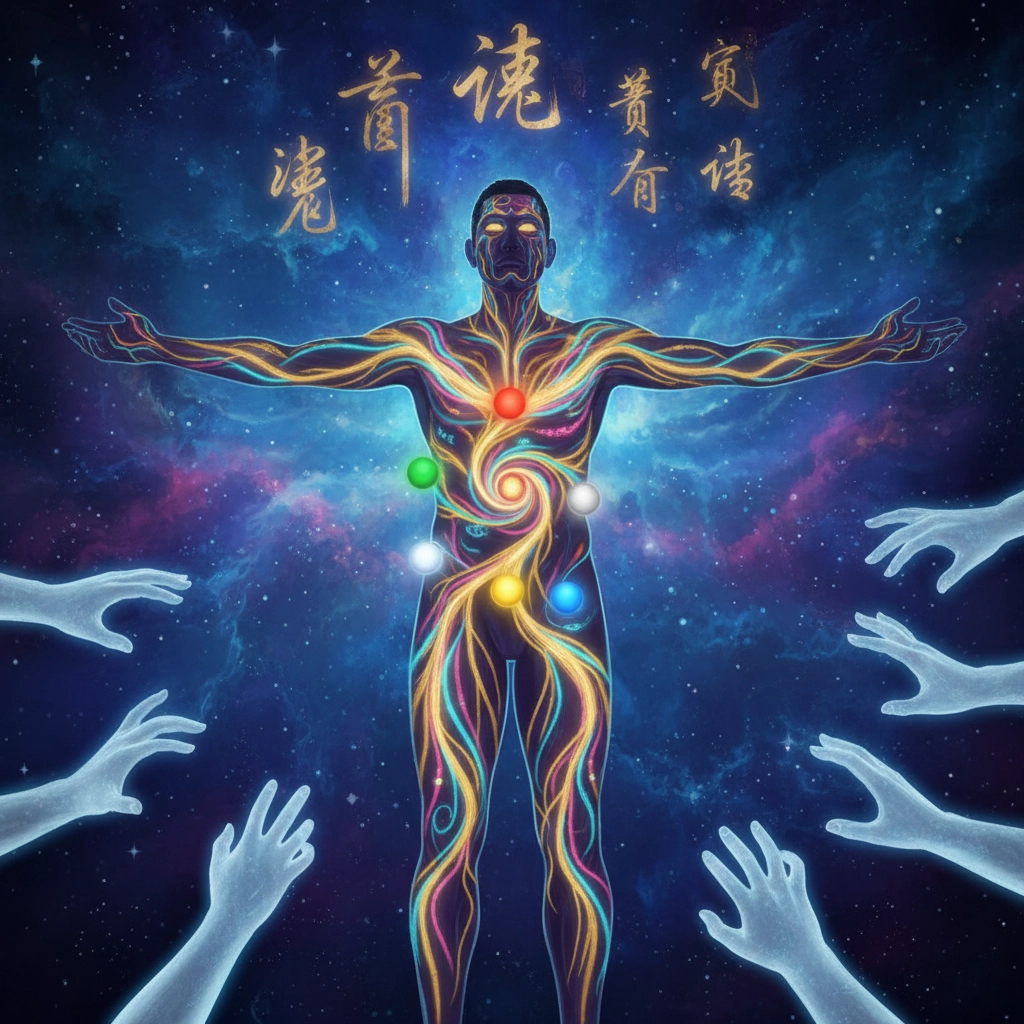
Energy meridian work: Chinese acupuncture maps the body's energy highways. Modern Reiki practitioners, especially those working with Sekhem and Seichim, often intuitively place hands along these same meridian points. Coincidence? I don't think so.
Five Element Theory: Chinese medicine works with Wood, Fire, Earth, Metal, and Water elements. Karuna Ki practitioners will recognize these energetic signatures in their symbol work, even if they're not consciously thinking "Chinese medicine" during a session.
Group healing dynamics: Traditional Chinese medicine has always recognized that some conditions require multiple healers working in harmony. This laid the groundwork for the multi-practitioner Reiki sessions we see today, where 3-4 practitioners work simultaneously on one client.
Let me tell you about Sarah, a Karuna Ki master I know. She was struggling to understand why certain symbols felt "incomplete" during her sessions. Then she studied basic Chinese energy work and realized she was unconsciously trying to balance the five elements during her treatments. Once she acknowledged this influence, her sessions became exponentially more powerful.
Korean Shamanic Elements: The Mudang Connection
Now here's where things get really spicy. Korean shamanism, particularly the mudang tradition, has influenced multi-lineage Reiki in ways most practitioners never recognize.
Spirit communication: Korean shamans have always worked with ancestral spirits and energy guides. Sound familiar, Sekhem practitioners? That connection you feel to ancient Egyptian energies isn't happening in a vacuum – you're tapping into the same shamanic principles Korean healers have used for centuries.
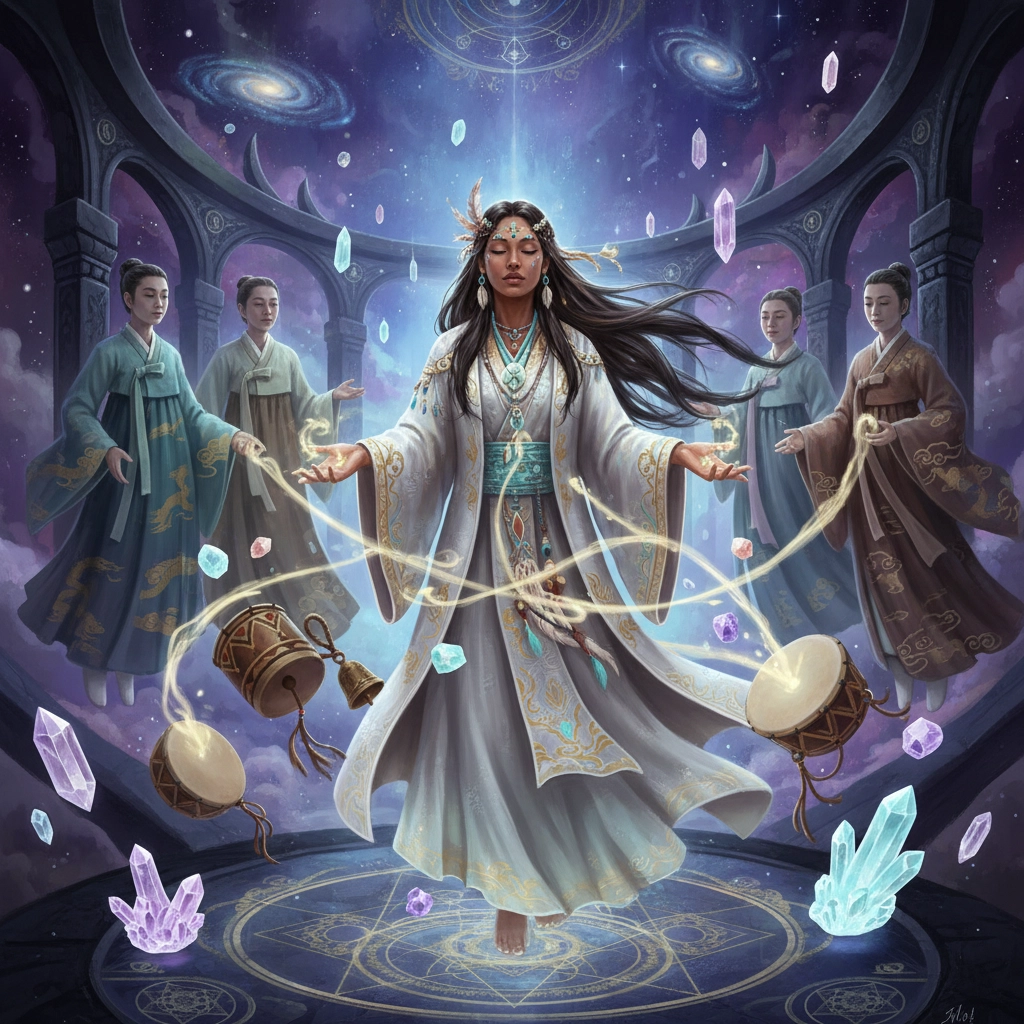
Ritual cleansing: Korean shamanic practices involve elaborate cleansing ceremonies using bells, drums, and chanting. Modern Reiki practitioners often incorporate sound healing, crystal singing bowls, and guided meditation in ways that mirror these ancient traditions.
Community healing: In Korean shamanism, healing isn't just about the individual – it's about restoring balance to the entire family or community system. Multi-lineage Reiki sessions often address generational trauma and ancestral patterns in remarkably similar ways.
How Multi-Lineage Systems Weave It All Together
Here's the thing about working with multiple Reiki lineages – you're not just learning different techniques. You're accessing different cultural streams of healing wisdom that have been flowing together for centuries.
Usui Reiki gives you the Japanese foundation: discipline, simplicity, and direct energy transmission.
Sekhem and Seichim connect you to Egyptian mysteries while drawing on shamanic principles that echo Korean mudang traditions.
Karuna Ki works with symbols and mantras that resonate with both Chinese five-element theory and Japanese Buddhist practices.
When you combine these in practice, you're essentially creating a healing session that honors the full spectrum of East Asian energy work – even if you've never studied these traditions directly.
Practical Applications: What This Means for Your Practice
Stop thinking about your Reiki lineages as separate systems. They're different facets of the same diamond, and understanding their cultural influences will make your work more effective.
For group sessions:
- Acknowledge the shamanic tradition of multiple healers working together
- Use the Chinese concept of balancing elemental energies among practitioners
- Apply Japanese principles of harmony and synchronized intention
For individual sessions:
- Draw on Chinese meridian knowledge when placing hands
- Honor Korean shamanic principles when working with ancestral healing
- Use Japanese purification techniques to prepare sacred space
For symbol work:
- Recognize that many Reiki symbols echo Chinese calligraphy and energy principles
- Understand that Korean shamanic symbols often work with similar energy patterns
- Apply Japanese concepts of ma (sacred pause) between symbol activations
Marcus, a multi-lineage practitioner I work with, started incorporating these cultural understandings into his sessions. He told me, "Once I stopped seeing Usui, Sekhem, and Karuna Ki as separate things and started recognizing them as part of this bigger East Asian healing tradition, my clients started having breakthrough sessions every single time."
The Ancestral Healing Connection
Here's something that'll blow your mind – ancestral healing, which is huge in modern Reiki practice, has deep roots in all three of these traditions.
Chinese medicine has always recognized that trauma and healing patterns pass through family lines. Korean shamanism specializes in resolving ancestral conflicts and restoring family harmony. Japanese spiritual practices honor deceased ancestors as active participants in healing work.
When you're doing ancestral clearing in a Reiki session, you're not just using "new age" techniques – you're channeling thousands of years of East Asian wisdom about how energy moves through family systems across generations.
Breaking Down the Cultural Walls
Look, I get it. Some people get precious about keeping lineages "pure" and separate. But that's not how energy works, and it's not how these traditions evolved historically.
Chinese, Japanese, and Korean healing practices have been cross-pollinating for over a thousand years. Buddhist monks carried healing techniques from China to Japan. Korean shamans influenced Japanese Shinto practices. Japanese healers absorbed Chinese medical theory.
Your multi-lineage Reiki practice is just the latest evolution of this ancient cultural exchange. The question isn't whether these influences exist – they absolutely do. The question is whether you're going to acknowledge them and work with them consciously.
Ready to Honor Your Healing Ancestry?
Next time you're in a Reiki session – whether you're working with Usui, Sekhem, Seichim, or Karuna Ki – take a moment to acknowledge the centuries of healing wisdom flowing through your hands.
Feel the Japanese discipline in your hand positions. Recognize the Chinese understanding of energy flow in your intuitive placement choices. Honor the Korean shamanic tradition when you find yourself working with ancestral patterns or spirit guidance.
These aren't separate traditions you're borrowing from – they're the cultural streams that created the healing river you're swimming in. The more consciously you work with these influences, the more powerful and authentic your practice becomes.
Your clients can feel the difference when you're working from this place of integrated wisdom rather than just following technique. And your own development as a healer expands exponentially when you understand the deep cultural roots of what you're doing.
Want to explore more about how ancestral healing traditions influence modern energy work? The conversation is just getting started, and your practice is ready to level up in ways you haven't imagined yet.